Explore tutorials, guides, reviews and expert insights from this technology category.
What drives smartphones to evolve faster than any other consumer technology category today? The answer lies in the convergence of hardware innovation, software ecosystems, and user expectations that demand seamless performance across devices. Mobile technology is no longer isolated but deeply interconnected with wearables, cloud platforms, and smart environments.
We are observing a shift where smartphones act as central hubs within broader digital ecosystems. From syncing with wearable tech to controlling IoT devices, mobile systems now orchestrate complex interactions across multiple platforms. This integration enhances convenience while expanding functionality far beyond traditional communication.
The evolution of mobile technology reflects a broader trend toward unified digital experiences. As ecosystems become more cohesive, users benefit from continuity, personalization, and efficiency that redefine how devices interact with both individuals and environments.
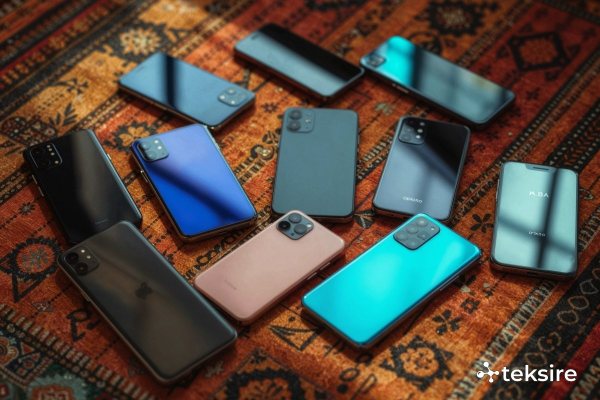
The competition between Android vs iOS continues to shape the mobile landscape, influencing both innovation and user choice. Android offers flexibility and customization, appealing to a wide range of manufacturers and users, while iOS emphasizes integration and consistency within a controlled ecosystem.
This rivalry drives continuous improvement across both platforms. Features such as enhanced privacy controls, optimized performance, and seamless device synchronization are the result of ongoing competition and user demand.
Choosing between these ecosystems often depends on priorities such as customization, security, and compatibility. As both platforms evolve, they increasingly focus on delivering cohesive experiences that extend beyond smartphones to include tablets, wearables, and other connected devices.
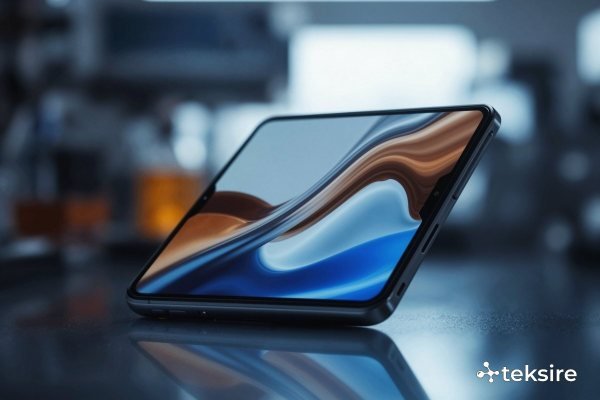
Unexpectedly, foldable smartphones are redefining what users expect from mobile hardware design. These devices combine the portability of traditional smartphones with the expanded functionality of larger screens, offering a versatile user experience.
Advancements in display technology and hinge mechanisms have made foldables more durable and practical for everyday use. Manufacturers are investing heavily in refining these designs to ensure reliability and performance.
The impact of foldable technology extends beyond aesthetics. It introduces new possibilities for multitasking, content consumption, and productivity, pushing the boundaries of what mobile devices can achieve in compact form factors.
Performance remains a critical factor in mobile technology, driving continuous innovation in processors, memory, and battery systems. Modern smartphones are equipped with powerful chipsets that enable advanced capabilities such as real-time AI processing and high-resolution media handling.
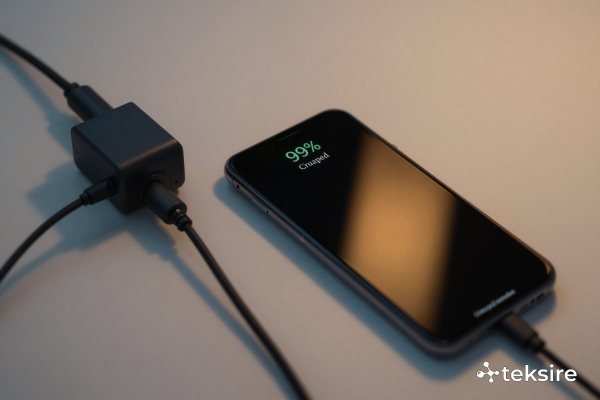
Battery technology is also evolving, with improvements in efficiency and charging speeds enhancing overall usability. These advancements ensure that devices can support demanding applications without compromising user experience.
Hardware innovation is closely tied to software optimization. By aligning these elements, manufacturers can deliver devices that offer both power and efficiency, meeting the growing expectations of users in an increasingly mobile-centric world.
Mobile applications are at the core of the smartphone experience, shaping how users interact with their devices. App development has evolved to focus on performance, usability, and integration within broader ecosystems.
Developers are leveraging modern frameworks and tools to create applications that are both responsive and scalable. These apps must function seamlessly across different devices and operating systems, ensuring a consistent user experience.
The growth of mobile software ecosystems is driving innovation across industries. From productivity tools to entertainment platforms, applications are becoming more sophisticated, offering features that enhance both personal and professional activities.
Connectivity continues to be a defining factor in mobile technology, with advancements in cellular networks enabling faster and more reliable communication. Innovations in 5G and emerging technologies are paving the way for enhanced data speeds and reduced latency.
These improvements support a wide range of applications, from streaming high-definition content to enabling real-time communication and cloud-based services. As connectivity evolves, it will unlock new possibilities for mobile experiences.
Smartphone trends also reflect changing user behaviors, with increased emphasis on personalization, security, and integration. These factors will continue to shape the direction of mobile technology in the coming years.
The future of mobile technology is defined by its ability to integrate seamlessly with other digital systems. As advancements in artificial intelligence, connectivity, and hardware continue, smartphones will become even more central to everyday life.
We can expect greater convergence between devices, creating unified ecosystems that enhance productivity and convenience. This integration will enable users to transition effortlessly between different platforms and applications.
Ultimately, the success of mobile technology will depend on its adaptability. By embracing innovation and focusing on user-centric design, the next generation of mobile devices will continue to redefine how we interact with the digital world.