Explore tutorials, guides, reviews and expert insights from this technology category.
What happens when everyday devices start anticipating your needs before you even act? The world of best gadgets is shifting toward intelligence, personalization, and seamless integration.
Smart devices are no longer isolated tools. They are part of interconnected ecosystems that communicate, adapt, and learn. From wearable tech to advanced iot devices, the focus is on creating experiences that feel intuitive and effortless.
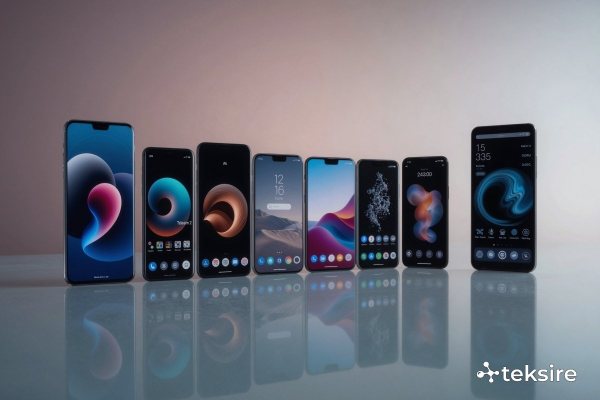
We are seeing rapid innovation in consumer electronics, driven by hardware innovations that enhance performance while reducing size and power consumption. These advancements are making technology more accessible and more powerful at the same time.
The result is a new generation of gadgets that do more than function—they enhance how we live, work, and interact with the digital world.
Everyone assumes gadgets are just tools, but they are becoming extensions of daily routines. Smart devices are integrating deeply into how we manage time, health, and communication.
From voice-controlled assistants to intelligent home systems, these devices are designed to simplify complex tasks. They learn user behavior and adjust accordingly, creating a more personalized experience.
The growth of iot devices is accelerating this trend. Connected systems allow devices to share data and coordinate actions, improving efficiency across the board.
This shift is redefining convenience. Technology is no longer something we actively use—it is something that works quietly in the background, supporting our daily lives.
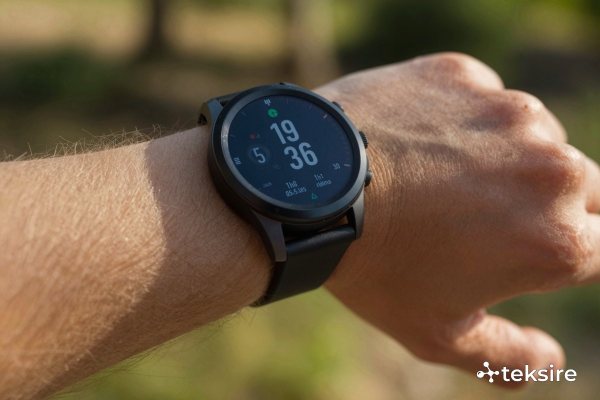
Here is what most people underestimate: wearable tech is evolving far beyond simple health metrics.
Modern wearables are equipped with advanced sensors capable of monitoring a wide range of physiological data. This includes heart rate variability, sleep patterns, and even stress levels.
These insights are not just informative—they are actionable. Devices can provide real-time recommendations, helping users make better decisions about their health and lifestyle.
Integration with other smart devices enhances their functionality. Wearables can interact with smartphones, home systems, and even vehicles, creating a cohesive ecosystem.
The future of wearable tech lies in its ability to deliver meaningful insights while remaining unobtrusive and easy to use.
Innovation is happening at the hardware level as much as the software. Advances in chip design, battery technology, and materials are enabling more powerful devices.
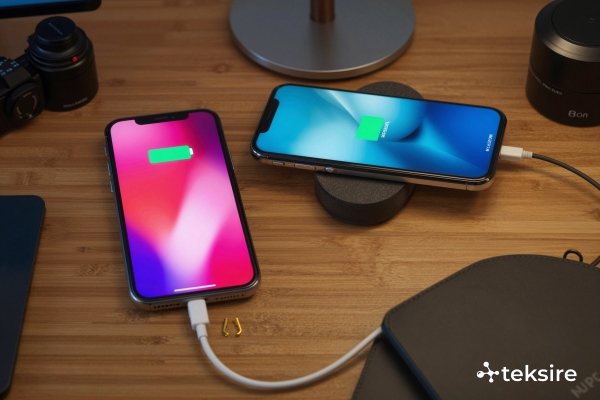
Smaller components with higher efficiency are making gadgets lighter and more portable. At the same time, improved processing power allows for more complex applications.
We are also seeing a focus on sustainability. Manufacturers are exploring eco-friendly materials and energy-efficient designs.
These hardware innovations are setting the stage for the next generation of consumer electronics, where performance and sustainability go hand in hand.
Connectivity is the foundation of modern gadgets. IoT devices are creating networks that allow seamless communication between systems.
Smart homes are a prime example. Devices like thermostats, lighting, and security systems work together to create a cohesive environment.
This level of integration extends beyond homes into workplaces and cities. Connected systems improve efficiency, reduce energy consumption, and enhance user experiences.
Managing these ecosystems requires robust platforms that can handle data securely and efficiently.
The expansion of IoT is transforming how we interact with technology, making it more integrated and responsive.
Trends are shifting quickly. Devices are becoming smarter, faster, and more interconnected.
Artificial intelligence is being embedded directly into gadgets, enabling real-time decision-making.
Voice and gesture controls are becoming more intuitive, reducing the need for traditional interfaces.
We are also seeing increased focus on personalization, with devices adapting to individual preferences.
These trends highlight a future where technology is more aligned with human needs and behaviors.
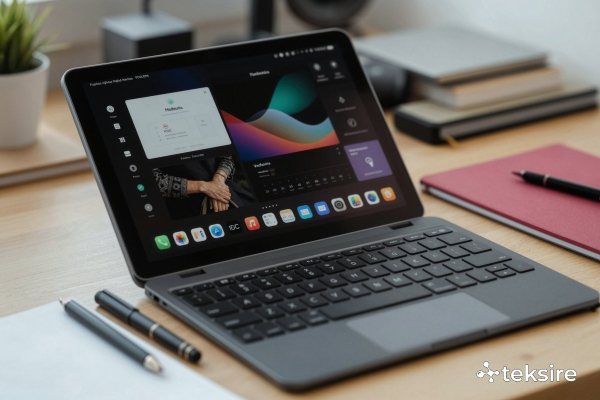
Choosing the right gadget requires more than just looking at specifications. Tech reviews play a critical role in helping users make informed decisions.
Performance, usability, and durability are key factors to consider. Reviews provide insights into real-world usage, highlighting strengths and weaknesses.
Comparisons between devices can also reveal important differences that may not be obvious at first glance.
By focusing on practical performance rather than marketing claims, users can select gadgets that truly meet their needs.
Smart technology is evolving rapidly, and its impact is becoming more significant. Devices are becoming more capable and more integrated into daily life.
We can expect continued advancements in AI, connectivity, and hardware design.
These developments will create new opportunities for innovation and improve overall user experiences.
The focus will remain on creating technology that is both powerful and easy to use.
The future of gadgets is not just about features—it is about enhancing how we live and interact with the world.
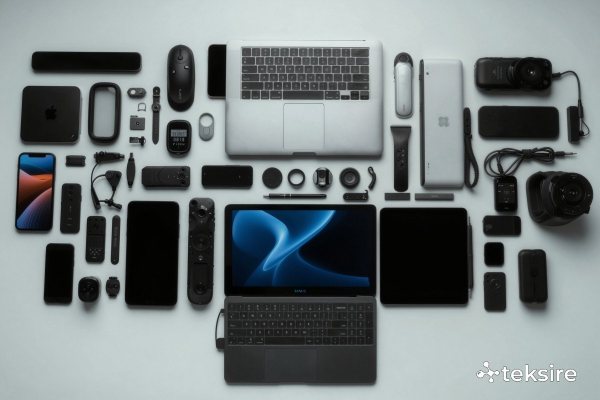
Creating a cohesive tech ecosystem requires careful planning. Devices must be compatible and able to communicate effectively.
Choosing the right platforms and standards is essential for long-term flexibility.
Integration between devices enhances functionality and improves user experience.
Continuous updates and support ensure that systems remain secure and efficient.
A well-designed ecosystem transforms individual gadgets into a powerful, unified system.