Phishing Attack Prevention Guide for Safe Online Communication
Identify and prevent phishing attacks with practical techniques to detect scams and protect sensitive information.
Identify and prevent phishing attacks with practical techniques to detect scams and protect sensitive information.
Phishing attacks continue to exploit human behavior more than technical weaknesses. We often encounter emails, messages, or websites that appear legitimate but are designed to steal sensitive information. Recognizing these threats early is essential for maintaining online security and protecting personal data.
Phishing attack prevention focuses on awareness, verification, and proactive defense strategies. Instead of relying solely on tools, users must develop the ability to identify suspicious patterns and avoid risky interactions.
Awareness saves time. By understanding how phishing works, we can reduce exposure to scams and maintain safer communication practices across digital platforms.
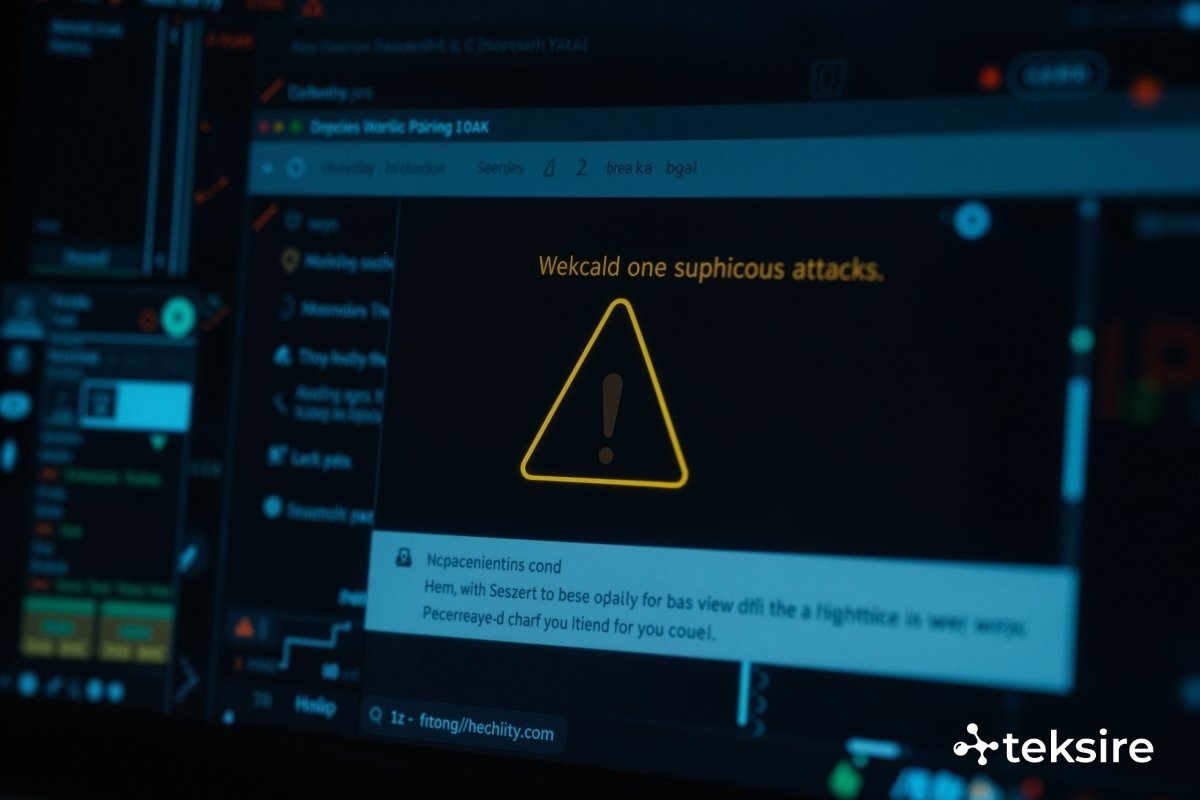
Phishing attacks are a form of social engineering where attackers manipulate users into revealing sensitive information. These tactics often involve creating a sense of urgency or trust to bypass rational decision-making.
We see common patterns such as urgent requests, unexpected attachments, and messages from seemingly trusted sources. These elements are designed to trigger quick responses without proper verification.
Recognizing these tactics is crucial. By identifying emotional triggers and suspicious behavior, we can avoid falling victim to phishing attempts and protect our information effectively.
Spoofed domains and fake websites are commonly used in phishing attacks to mimic legitimate platforms. These sites often have slight variations in URLs that can easily go unnoticed by users.
We must verify website addresses carefully before entering any sensitive information. Checking for secure connections and valid certificates can help identify legitimate sites.
Attention to detail matters. By examining URLs and avoiding unfamiliar links, we can significantly reduce the risk of interacting with malicious websites.
Email scams are one of the most prevalent forms of phishing attacks. These messages often contain malicious links or attachments designed to compromise systems or steal data.
We can detect scams by analyzing sender information, message content, and inconsistencies in communication. Suspicious emails should be treated with caution and verified before taking any action.
Safe communication practices include avoiding clicking on unknown links and using trusted channels for sensitive transactions. These habits help maintain security and prevent unauthorized access.
Phishing detection tools and spam filters provide an additional layer of protection by identifying and blocking malicious content. These systems analyze patterns and flag suspicious messages before they reach users.
We benefit from automated filtering that reduces exposure to potential threats. However, these tools are not foolproof and should be complemented with user awareness.
Combining technology with vigilance ensures a stronger defense against phishing attacks, minimizing risks and improving overall security.
Preventing online fraud requires a proactive approach that includes verifying sources, using secure platforms, and avoiding unnecessary sharing of personal information. These practices reduce the likelihood of data being compromised.
We must remain cautious when handling sensitive data, especially in unfamiliar or unsecured environments. Limiting information exposure is a key strategy for maintaining privacy.
Consistency is critical. By following secure practices regularly, we can build strong defenses against fraud and maintain control over our digital identity.

The future of phishing prevention lies in advanced detection systems and increased user awareness. As attackers develop more sophisticated techniques, defense strategies must evolve accordingly.
We are moving toward systems that use artificial intelligence to detect anomalies and prevent attacks in real time. These technologies enhance security and reduce reliance on manual intervention.
Ultimately, awareness remains the strongest defense. By staying informed and vigilant, we can protect ourselves from phishing threats and maintain secure online communication in an ever-changing digital landscape.