Strong Password Management Strategies for Maximum Account Security
Secure your accounts using strong passwords, password managers, and multi-factor authentication strategies.
Secure your accounts using strong passwords, password managers, and multi-factor authentication strategies.
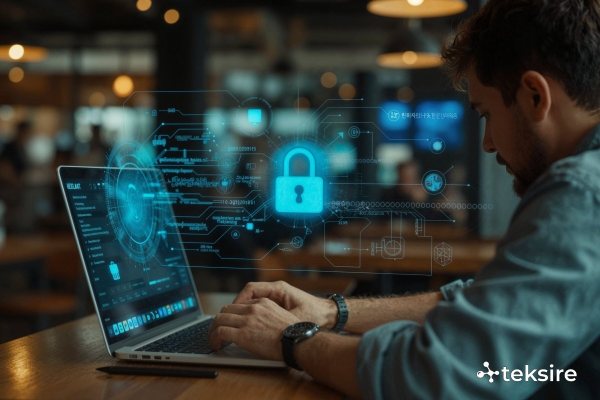
Effective password security practices are essential for protecting online accounts from unauthorized access. We interact with multiple platforms daily, and weak credentials can quickly become entry points for attackers. Strengthening password habits is one of the simplest yet most powerful defenses available.
Modern password security strategies go beyond creating complex strings. They involve structured systems such as password managers, encryption vaults, and multi-layer authentication mechanisms that work together to secure access points.
Small improvements matter. By adopting consistent password management techniques, we significantly reduce the risk of breaches and ensure long-term protection of sensitive information.
Strong passwords are the first line of defense against unauthorized access. These passwords should be long, unique, and composed of a mix of characters to prevent easy guessing or brute-force attacks.
We often underestimate how predictable common passwords can be. Using personal information or simple patterns makes accounts vulnerable to hacking attempts. Creating random and complex combinations significantly improves security.
Consistency is key. By using unique passwords for each account, we prevent a single breach from compromising multiple platforms, strengthening overall account protection.
Password manager tools provide a secure way to store and manage credentials without relying on memory. These tools use encryption vaults to protect sensitive information, ensuring that passwords remain inaccessible to unauthorized users.
We benefit from centralized access, where all credentials are stored securely and can be retrieved when needed. This eliminates the need to reuse passwords or write them down, both of which increase security risks.
Automation enhances efficiency. Password managers can generate strong passwords and autofill login details, making it easier to maintain secure practices consistently.
Multi factor authentication adds an extra layer of security by requiring additional verification beyond passwords. This may include one-time codes, biometric data, or authentication apps.
We rely on MFA to ensure that even if a password is compromised, unauthorized access is still prevented. This significantly reduces the likelihood of account breaches.
Layered security is powerful. Combining passwords with multiple authentication methods creates a robust defense system that protects sensitive accounts effectively.
Access control mechanisms regulate who can access specific systems and data. These controls include permission settings, user roles, and authentication protocols that ensure only authorized individuals can gain access.
We implement access control to minimize exposure to potential threats. By restricting access based on necessity, we reduce the risk of unauthorized activity.
Proper management is essential. Regularly reviewing and updating access permissions ensures that security measures remain effective and aligned with current requirements.
Biometric authentication uses physical characteristics such as fingerprints or facial recognition to verify identity. These methods provide a convenient and secure alternative to traditional passwords.
We see increasing adoption of biometrics in mobile devices and applications, enhancing both security and user experience. These technologies reduce reliance on memorized credentials.
Innovation continues. As authentication technologies evolve, they will offer even more secure and seamless ways to protect accounts and sensitive information.

The future of password security is moving toward integrated systems that combine multiple authentication methods and advanced encryption techniques. These systems aim to eliminate vulnerabilities associated with traditional passwords.
We are transitioning to environments where identity verification is continuous and adaptive. This ensures that access is granted only under secure conditions.
Ultimately, strong password management remains a critical component of digital security. By adopting modern strategies and tools, we can protect our accounts and maintain control over our online presence in an increasingly connected world.