Ultimate Gadget Buying Guide for Smart and Confident Decisions
Make smart buying decisions with this complete gadget guide covering comparisons, features, and value analysis.
Make smart buying decisions with this complete gadget guide covering comparisons, features, and value analysis.
Choosing the right technology becomes easier when every decision is based on practical value instead of marketing excitement. Gadget buying guide helps consumers evaluate features, performance, reliability, and long term usability before investing in smartphones, laptops, wearables, audio devices, and other electronics.
The technology market introduces new products throughout the year, making comparisons increasingly difficult for everyday buyers. Understanding specifications, software support, and real world performance creates greater confidence while reducing the chances of purchasing devices that fail to meet expectations.
Thoughtful research saves money. Smart purchases begin with clear priorities rather than attractive advertisements or temporary trends.
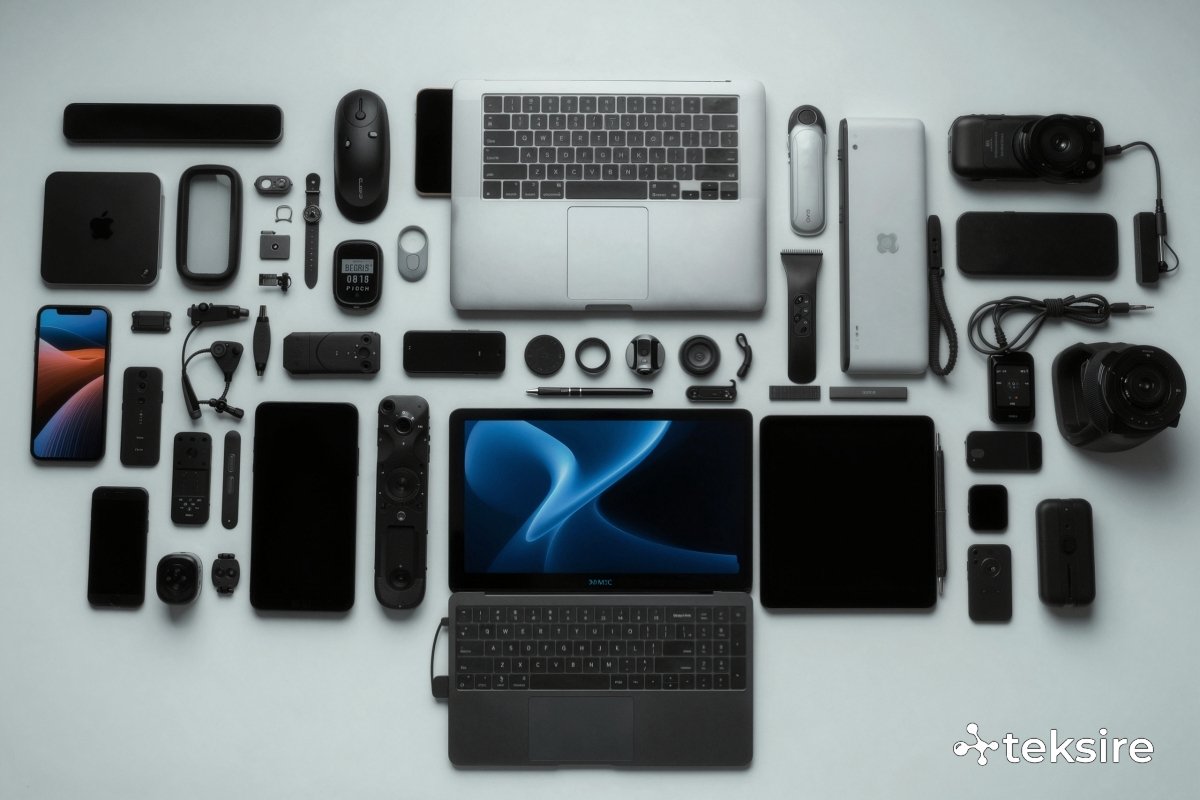
Every buyer has unique priorities depending on work habits, entertainment preferences, travel frequency, and productivity needs. Learning how to choose gadgets starts with identifying everyday usage instead of selecting products solely because they include the newest hardware or premium branding.
Contrast highlights an important buying principle. A balanced mid range device often delivers greater long term satisfaction than an expensive flagship product filled with advanced capabilities that remain largely unused throughout ownership.
We should always compare practical benefits such as battery life, software updates, portability, and durability because these factors influence daily experience far more than isolated technical specifications.
Effective tech product comparison requires evaluating complete user experience instead of focusing on a single benchmark result or specification sheet. Processing power, display quality, battery efficiency, connectivity options, and software optimization work together to determine everyday performance.
Benchmark scores provide useful reference points but cannot fully represent comfort, reliability, or long term ownership satisfaction. Real world multitasking, application responsiveness, and system stability often reveal more meaningful differences between competing products.
Our buying process becomes more reliable when technical measurements are combined with practical testing and consistent usage expectations rather than marketing claims.
Reading specification tables is only the beginning of an informed purchase decision. Specs comparison should include processor generation, memory capacity, storage technology, display characteristics, battery performance, and connectivity features that directly affect everyday usability.
Value analysis helps buyers determine whether additional features justify higher prices or whether a more affordable alternative delivers nearly identical functionality for typical daily tasks. Balanced evaluation prevents unnecessary spending while maximizing long term satisfaction.
We should also consider accessory costs, software support, and future compatibility because these hidden factors significantly influence the total value of a technology investment.
Reliable gadget reviews provide valuable insight into performance, durability, and ownership experience beyond manufacturer descriptions. Comparing multiple trusted opinions creates a broader understanding of strengths, limitations, and potential long term issues before making a purchase decision.
Insight comes from evaluating both product quality and post purchase support. Warranty coverage, service availability, and replacement policies contribute significantly to overall value, especially for frequently used electronics and productivity devices.
Price comparison tools also help identify competitive offers while ensuring buyers recognize meaningful discounts instead of temporary promotional pricing designed to create urgency.
The best tech products are not always the most expensive or feature rich options. Devices that match personal requirements, receive regular software updates, and maintain dependable performance often provide greater satisfaction over several years than products selected purely for specifications.
Careful planning also reduces unnecessary upgrades by encouraging buyers to invest in balanced hardware capable of supporting evolving applications and changing work or entertainment habits without immediate replacement.
We benefit from viewing technology purchases as long term investments that should deliver reliability, productivity, and consistent everyday performance instead of temporary excitement.

Confident buying decisions come from combining research, comparison, and practical thinking. Gadget buying guide integrates tech product comparison, benchmark scores, value analysis, warranty evaluation, and trusted reviews to simplify the process of selecting modern electronics.
The strongest purchasing strategy focuses on everyday usability, future compatibility, and balanced performance rather than chasing specifications or short lived marketing trends. Smart planning creates better ownership experiences and reduces unnecessary spending.
Our technology investments should improve productivity, creativity, and daily convenience for years ahead. Choosing products through careful analysis, thoughtful comparison, and realistic expectations ensures every purchase delivers meaningful value and lasting satisfaction.