Best Design Software Tools for Creative and Professional Workflows
Create stunning visuals using powerful design tools built for modern creative workflows.
Create stunning visuals using powerful design tools built for modern creative workflows.
Creative projects thrive when designers have reliable software that transforms ideas into polished visual experiences with speed and precision. Design tools combine intelligent features, collaborative environments, and flexible workflows that help professionals produce outstanding graphics, interfaces, branding assets, and digital content for every platform.
Modern creative teams increasingly depend on cloud based collaboration, reusable design systems, and integrated prototyping environments that simplify communication while reducing repetitive work across projects of every size.
Creativity needs structure. The right software helps inspiration become consistent and professional results.
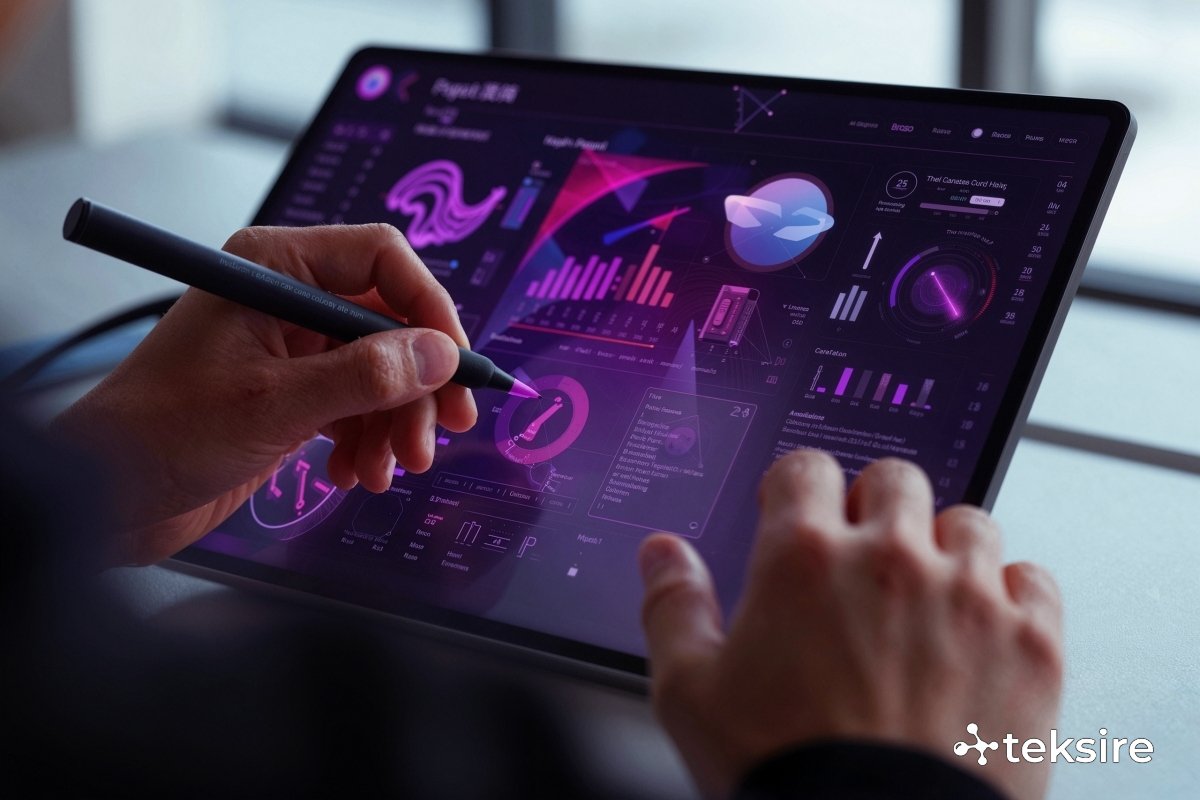
Creative software platforms bring illustration, layout design, asset management, collaboration, and presentation into connected environments that allow designers to focus on visual storytelling instead of managing disconnected files and fragmented workflows. Unified ecosystems improve productivity while maintaining creative flexibility.
Contrast highlights an important advantage. Traditional desktop workflows often required multiple exports and manual revisions, while modern cloud platforms synchronize updates instantly and simplify collaboration between designers, developers, marketers, and stakeholders.
We achieve stronger creative outcomes when every project participant works from the same organized source of truth throughout the design process.
Powerful design tools support branding, marketing campaigns, social media assets, presentations, illustrations, and interactive experiences through flexible editing environments that encourage experimentation without sacrificing professional quality. Designers can iterate rapidly while maintaining consistency across multiple deliverables.
Integrated libraries, reusable components, and intelligent editing capabilities reduce repetitive tasks while helping teams preserve visual identity throughout websites, mobile applications, and digital products.
Our creative workflow becomes more efficient when software automates routine actions and allows greater attention to storytelling, usability, and visual impact.
Graphic design apps now extend beyond static artwork into complete product development environments that include interface design, interactive prototyping, animation, and collaborative review systems. Designers can quickly transform concepts into experiences ready for testing and refinement.
UI UX tools improve communication between creative and development teams by providing shared components, responsive layouts, and reusable interaction patterns that accelerate implementation while reducing misunderstandings during production.
We should choose platforms that encourage collaboration because successful digital products depend on continuous feedback rather than isolated creative decisions.
Design systems create consistency by organizing typography, colors, spacing, icons, and reusable interface components into structured libraries that simplify collaboration across large teams and long term projects. Standardization improves efficiency without limiting creativity.
Insight comes from reducing duplication instead of increasing complexity. Shared assets and centralized documentation enable designers to spend more time solving user problems while maintaining cohesive visual identities across multiple products and campaigns.
We strengthen creative operations when workflows encourage reuse, collaboration, and continuous improvement through organized design practices.
Visual communication continues evolving through intelligent automation, responsive layouts, collaborative editing, and cloud synchronization that allow creative professionals to produce high quality work from virtually any location or device. Flexible workflows support both independent creators and enterprise design teams.
Modern software also simplifies revision management, stakeholder feedback, and version control, reducing delays while preserving project history and improving transparency throughout the creative process.
We benefit most from tools that balance innovation with usability, providing advanced capabilities through interfaces that remain intuitive and accessible for everyday professional work.

The best design tools combine creative software platforms, graphic design apps, UI UX tools, and structured design systems into efficient environments that support professional quality work across branding, digital products, and visual communication. Strong workflows transform ideas into polished experiences with greater speed and consistency.
Successful creative teams invest in platforms that simplify collaboration while remaining flexible enough to support evolving technologies, expanding projects, and changing client expectations. Practical software delivers lasting value beyond individual features.
Our creative workflow should encourage experimentation, organization, and continuous improvement. Powerful design tools and modern prototyping environments help professionals produce compelling visuals, strengthen collaboration, and build memorable digital experiences that stand out in competitive markets.