Best Project Management Tools for Powerful Team Collaboration
Manage projects efficiently with powerful tools designed for team collaboration and workflow optimization.
Manage projects efficiently with powerful tools designed for team collaboration and workflow optimization.
Successful projects depend on clear communication, organized planning, and efficient execution across every stage of development. Project management tools provide powerful collaboration features, intelligent task organization, and centralized workflows that help teams deliver consistent results while reducing confusion and unnecessary delays.
Businesses of every size increasingly rely on digital collaboration platforms to coordinate remote work, monitor deadlines, share documents, and maintain complete visibility across multiple departments and ongoing initiatives.
Organization creates momentum. The right project platform keeps everyone focused on priorities instead of searching for information.

Modern team collaboration software brings communication, documentation, scheduling, and project planning into a unified workspace where employees can exchange ideas, assign responsibilities, and monitor progress without switching between disconnected applications throughout the workday.
Contrast reveals the biggest advantage. Traditional email chains and spreadsheets often create duplicated information, while collaborative platforms maintain a single source of truth that improves accountability and reduces misunderstandings across distributed teams.
We achieve better outcomes when information remains accessible, organized, and continuously updated for every project participant regardless of location.
Powerful workflow tools automate repetitive processes, standardize approvals, and organize project activities into structured sequences that improve consistency while reducing manual coordination. Teams gain more time for strategic work instead of administrative follow ups and status tracking.
Integrated notifications, shared calendars, and document management simplify collaboration by ensuring every stakeholder receives timely updates and clear visibility into project milestones and changing priorities.
Our productivity improves significantly when technology removes unnecessary friction and allows work to progress naturally from one stage to the next.
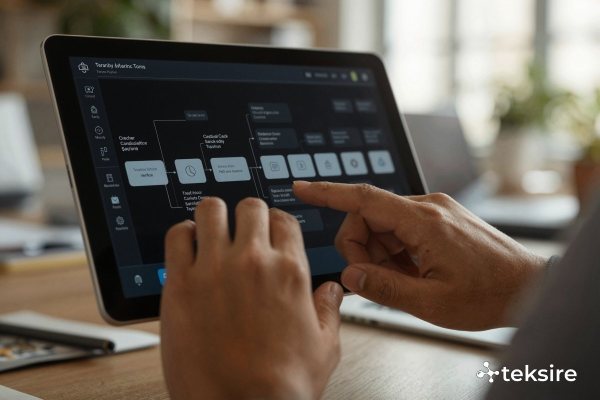
Task management apps provide visual organization through kanban boards, interactive timelines, and customizable workflows that make complex projects easier to understand and manage. Team members can quickly identify priorities, monitor progress, and adjust workloads without disrupting ongoing activities.
Agile tools encourage continuous improvement by supporting iterative planning, rapid feedback, and flexible resource allocation across changing business requirements and customer expectations. These methods improve responsiveness while maintaining project quality.
We should select platforms that balance simplicity with scalability, allowing teams to grow without replacing familiar processes or established collaboration habits.
Accurate project tracking provides managers and stakeholders with real time visibility into deadlines, budgets, completed tasks, and potential risks before they affect delivery schedules. Transparent reporting supports faster decisions and stronger accountability throughout the project lifecycle.
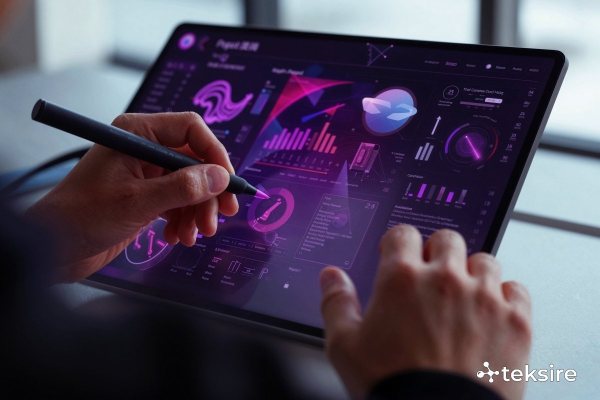
Insight comes from connected collaboration apps rather than isolated reporting systems. Shared dashboards, centralized files, and automated progress updates create an environment where information flows naturally between departments and project contributors.
We build stronger teams when everyone understands responsibilities, priorities, and progress through simple and reliable digital collaboration systems.
Hybrid work models require dependable software that supports communication, planning, and document sharing across multiple locations and devices. Business productivity tools integrate messaging, scheduling, workflow automation, and reporting into cohesive platforms that simplify distributed project management.
Cloud based collaboration improves accessibility while maintaining consistent project data, enabling employees to contribute effectively whether working from offices, home environments, or while traveling between client locations.
We should regularly review workflow efficiency and eliminate unnecessary processes so teams remain focused on delivering measurable value instead of administrative overhead.

The best project management tools combine intelligent collaboration, workflow automation, task tracking, and agile planning into flexible platforms that improve productivity across organizations of every size. Strong software simplifies communication while helping teams maintain focus and deliver projects with greater confidence.
Successful collaboration depends on choosing solutions that integrate naturally with existing business processes and remain adaptable as projects become larger and more complex. Practical functionality creates sustainable long term value.
Our investment in team collaboration software should encourage transparency, accountability, and efficient execution. Powerful workflow tools, kanban boards, and project tracking capabilities create organized environments where teams collaborate effectively and consistently achieve better business outcomes.