Generative AI Power for High-Impact Creative Workflows
Unlock the power of generative AI to create content, designs, and media faster using advanced AI tools and workflows.
Unlock the power of generative AI to create content, designs, and media faster using advanced AI tools and workflows.
Creative professionals are rewriting entire workflows as generative AI becomes a core production tool. What once required hours of manual effort can now be executed in minutes with intelligent systems that understand context, style, and intent. This shift is not incremental; it is fundamentally changing how content, design, and media are produced.
We are seeing generative ai tools evolve into highly specialized platforms that cater to writing, design, video, and audio creation. These systems leverage large language models and diffusion models to produce outputs that are both high-quality and contextually relevant. The result is a dramatic increase in speed without sacrificing creativity.
The real impact lies in workflow transformation. By integrating creative AI platforms into daily processes, professionals can iterate faster, experiment more freely, and deliver results at scale. This evolution is redefining what creative productivity means in a digital-first environment.
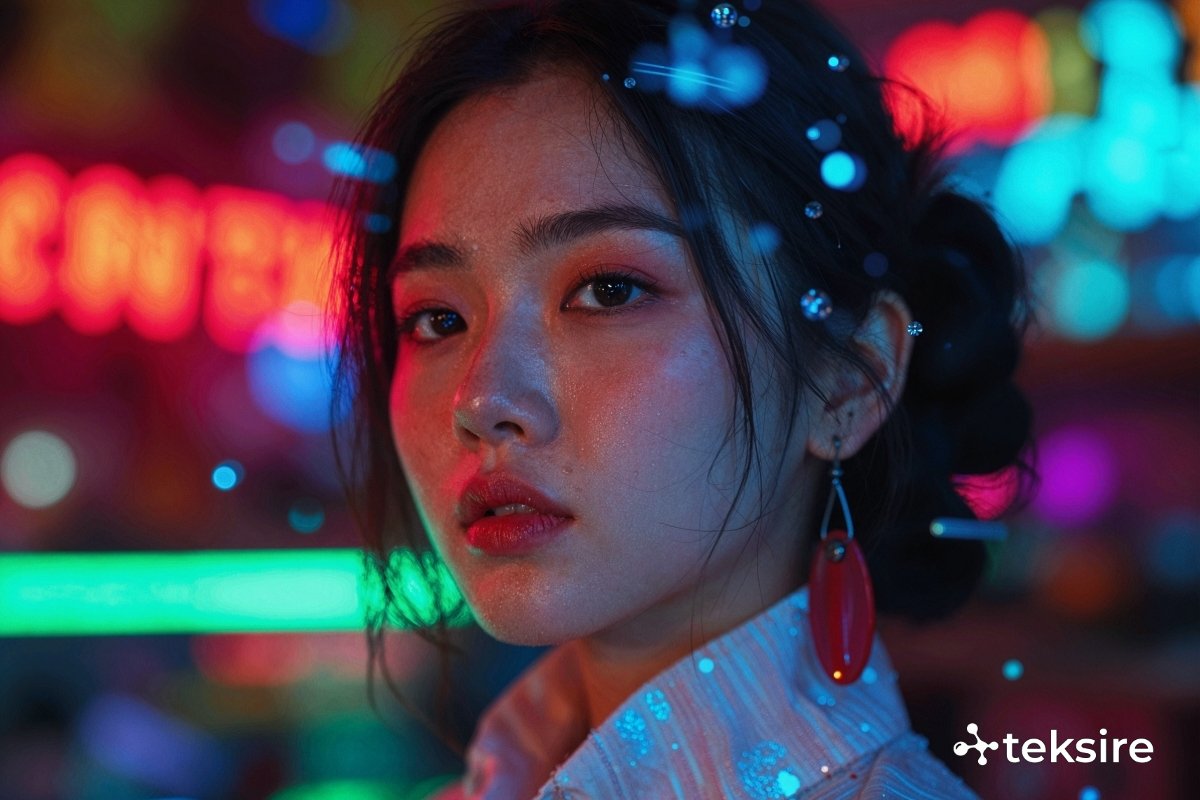
Content creation has moved beyond manual drafting into a hybrid model where AI writing software plays a central role. These tools assist with ideation, drafting, editing, and optimization, enabling creators to produce high-quality content consistently and efficiently.
Modern ai content creation tools use advanced natural language processing to understand tone, structure, and audience intent. This allows them to generate outputs that align closely with human expectations while maintaining clarity and coherence.
The advantage is not just speed. Writers can focus on strategy and storytelling while automation handles repetitive aspects of content production. This balance enhances both quality and productivity, making AI writing tools indispensable in modern workflows.
Unexpectedly, text to image ai systems are redefining how visual content is created and conceptualized. Designers can now generate complex visuals simply by describing them in natural language, eliminating the need for extensive manual design processes.
These systems rely on diffusion models and transformers to interpret prompts and produce detailed images that match user intent. This capability opens new possibilities for rapid prototyping, concept development, and creative experimentation.
Visual workflows are becoming more iterative and flexible. Designers can explore multiple variations quickly, refine ideas in real time, and deliver results faster than ever before. This transformation is expanding the boundaries of what is possible in digital design.
Not every creative process benefits equally from automation, and that is where integration strategy becomes critical. Creative AI platforms must be aligned with existing workflows to enhance productivity without disrupting established processes.
Successful integration involves identifying tasks that can be automated while preserving areas that require human creativity and judgment. This balance ensures that AI acts as an enabler rather than a replacement.
Organizations that adopt structured workflows with AI integration can achieve higher efficiency and consistency. By combining human expertise with machine capabilities, they create systems that are both innovative and scalable.
Results improve dramatically with better prompts. Prompt engineering has emerged as a critical skill for maximizing the effectiveness of generative AI tools. The way instructions are structured directly influences the quality and relevance of outputs.
Effective prompts provide clear context, define objectives, and specify constraints. This approach helps AI systems generate outputs that align closely with user expectations and project requirements.
As generative AI continues to evolve, prompt engineering will become even more important. Professionals who master this skill will be able to unlock the full potential of AI tools and achieve superior results across creative workflows.
The ecosystem of best generative ai tools is expanding rapidly, offering solutions for a wide range of creative tasks. From ai art generators to writing assistants and design platforms, these tools provide specialized capabilities that cater to different needs.
Selecting the right tools requires evaluating factors such as performance, usability, and integration capabilities. Each platform offers unique strengths, and choosing the appropriate combination can significantly enhance workflow efficiency.
Creative automation systems are not about replacing creativity but amplifying it. By leveraging these tools strategically, professionals can achieve higher output, explore new ideas, and maintain a competitive edge in their respective fields.

The trajectory of generative AI suggests a future where creativity and automation are deeply intertwined. As models become more advanced, they will enable increasingly sophisticated outputs across various forms of media.
We can expect greater personalization and adaptability, with AI systems tailoring content to specific audiences and contexts. This capability will transform how creative work is produced and consumed.
However, human creativity will remain essential. The most impactful results will come from combining human insight with AI capabilities, creating a collaborative dynamic that drives innovation and excellence in creative industries.