Best AI Image Generators: Create Stunning Visuals Instantly
Create stunning visuals instantly using powerful AI image generation tools.
Create stunning visuals instantly using powerful AI image generation tools.
Creative professionals are turning to AI image generators to produce visuals instantly. We are entering a phase where design is no longer limited by technical skill or expensive software. Instead, text to image AI tools allow anyone to create high-quality graphics with simple prompts and minimal effort.
These powerful design tools leverage advanced diffusion models and generative AI systems to interpret descriptions and convert them into detailed visuals. This process dramatically reduces the time required to produce artwork, marketing assets, and creative content.
Speed matters. Quality matters more. AI image generator tools deliver both, enabling individuals and businesses to scale their visual content production without compromising on aesthetics or originality.
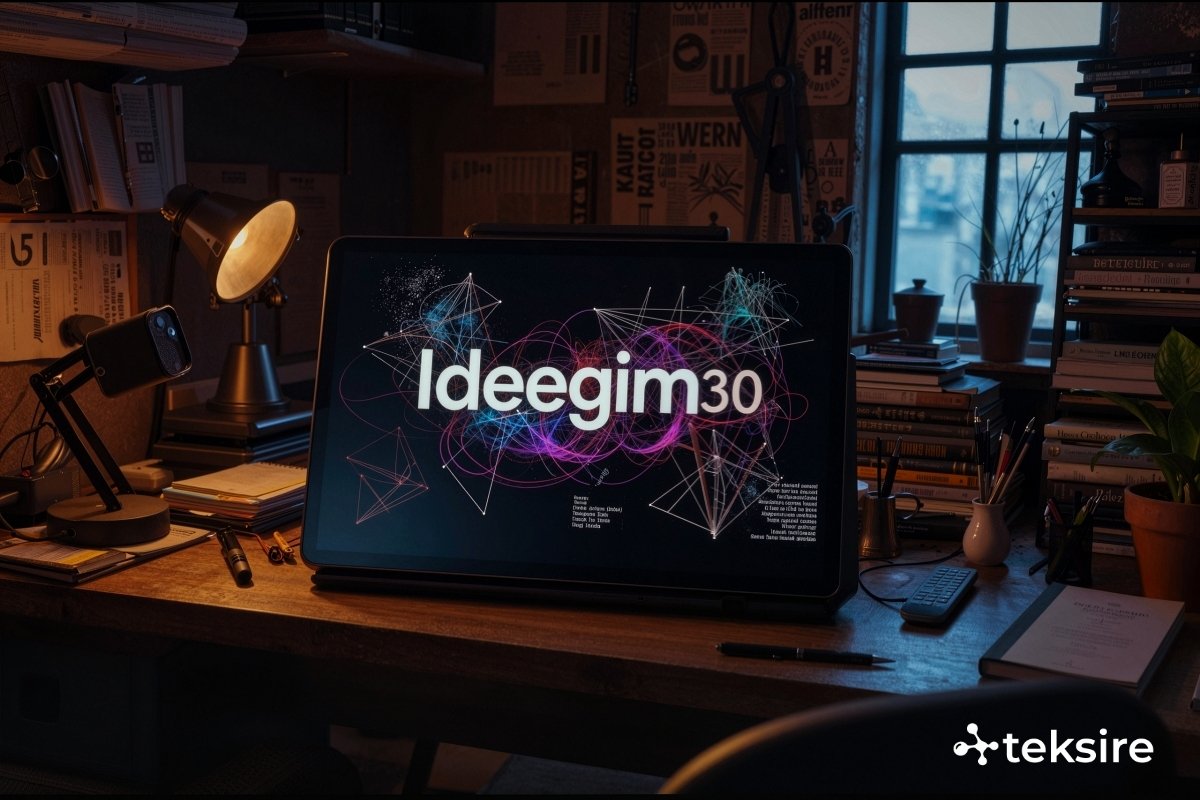
AI art generators operate using complex machine learning models trained on massive datasets of images and visual patterns. These systems analyze relationships between shapes, textures, and colors to produce outputs that align with user prompts. The result is a highly flexible system capable of generating diverse styles and compositions.
We often interact with these tools through simple interfaces, but the underlying processes involve intricate computations and probabilistic modeling. This allows the system to create variations and refine outputs based on input adjustments.
Understanding this process helps us use these tools more effectively. By crafting precise prompts and refining inputs, we can guide the AI to produce visuals that match our exact requirements, improving both efficiency and output quality.
AI image generators are being used across a wide range of applications, from marketing and advertising to entertainment and education. These tools enable rapid creation of visuals that would otherwise require significant time and resources.
We see brands leveraging AI-generated images for social media campaigns, product designs, and promotional materials. This allows them to maintain a consistent visual presence while reducing production costs and turnaround times.
In addition, creators are using these tools to experiment with new styles and concepts. The ability to generate multiple variations quickly encourages innovation and creative exploration, making AI art generators an essential component of modern design workflows.
AI design tools offer several advantages that make them indispensable in today’s digital landscape. One of the most significant benefits is efficiency, as these tools can produce high-quality visuals in a fraction of the time required by traditional methods.
We also benefit from cost savings. By reducing the need for extensive design resources, AI tools make professional-quality visuals accessible to individuals and small businesses. This democratization of design is transforming how visual content is created and distributed.
Another key advantage is flexibility. AI tools can adapt to different styles and requirements, allowing users to create a wide range of visuals without needing specialized skills. This versatility enhances creativity and expands possibilities for content creation.
Text to image AI is revolutionizing creative workflows by enabling users to generate visuals directly from descriptive inputs. This eliminates the need for manual design processes and allows for rapid iteration and experimentation.
We can now integrate these tools into broader workflows, combining them with other AI systems for content generation and distribution. This creates a seamless pipeline where ideas are transformed into finished products quickly and efficiently.
The impact on productivity is significant. By automating the visual creation process, we free up time and resources that can be redirected toward strategy and innovation, enhancing overall creative output.
Selecting the best AI image generator depends on factors such as ease of use, output quality, and integration capabilities. We need to evaluate different tools based on how well they align with our specific requirements and workflows.
It is important to consider the level of customization offered by each platform. Tools that allow for detailed prompt adjustments and fine-tuning provide greater control over the final output, enabling more precise results.
Additionally, compatibility with other tools and platforms is crucial. By choosing solutions that integrate seamlessly with existing systems, we can create efficient workflows that maximize productivity and streamline operations.

The future of AI image generation is marked by continuous innovation and expanding capabilities. As technologies evolve, we can expect even more advanced features that enhance realism, customization, and efficiency.
We are likely to see deeper integration with other AI systems, creating comprehensive platforms that handle multiple aspects of content creation. This will further streamline workflows and enable more sophisticated applications.
Ultimately, AI image generators are redefining how visuals are created and consumed. By embracing these tools, we position ourselves to take advantage of new opportunities in design, marketing, and creative expression in the years ahead.